
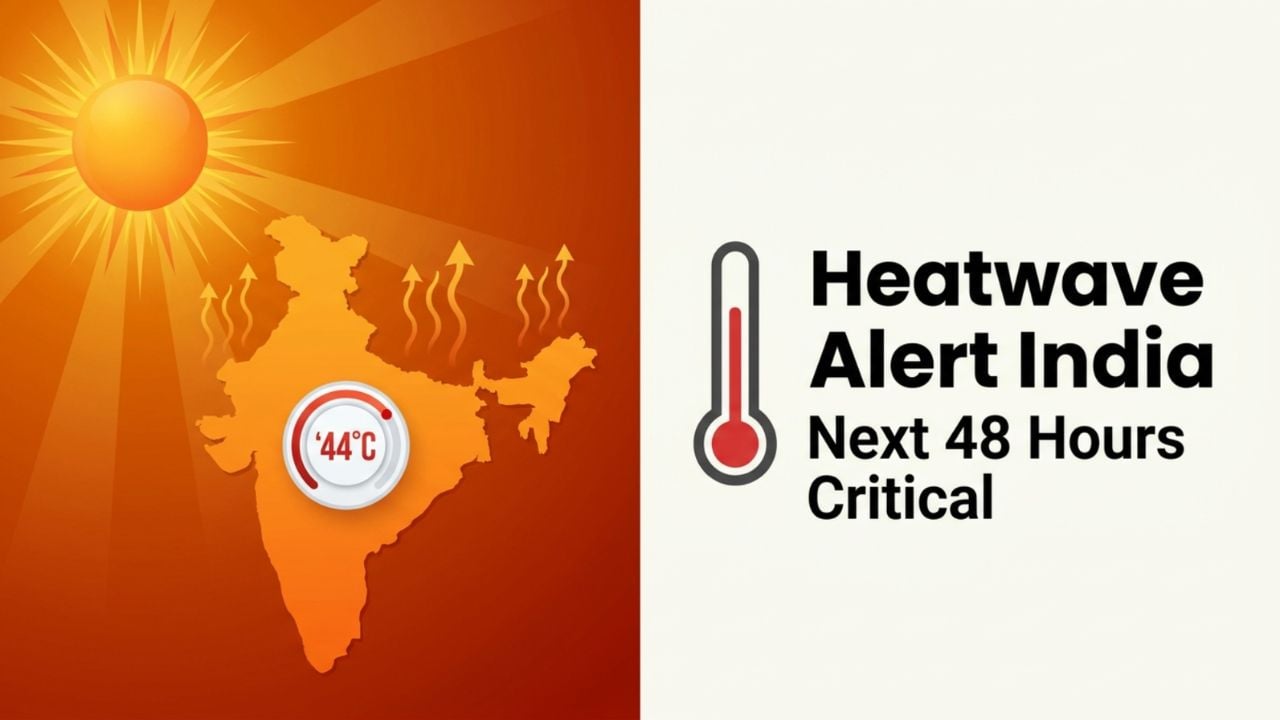
India is entering a critical phase of rising temperatures as several regions begin to experience early heatwave conditions. Weather patterns observed over the past few days show a steady increase in daytime temperatures, with many areas already crossing the 40°C mark. As per the latest forecast trends, the situation is expected to intensify further over the next 48 hours, especially across central and western parts of the country.
The early arrival of such high temperatures has raised concerns among authorities and health departments, as April itself is witnessing conditions usually seen later in the summer season. With dry winds, clear skies, and increasing solar radiation, the heat is building rapidly across multiple states.
Table of Contents
Heatwave Conditions Building Across Multiple States
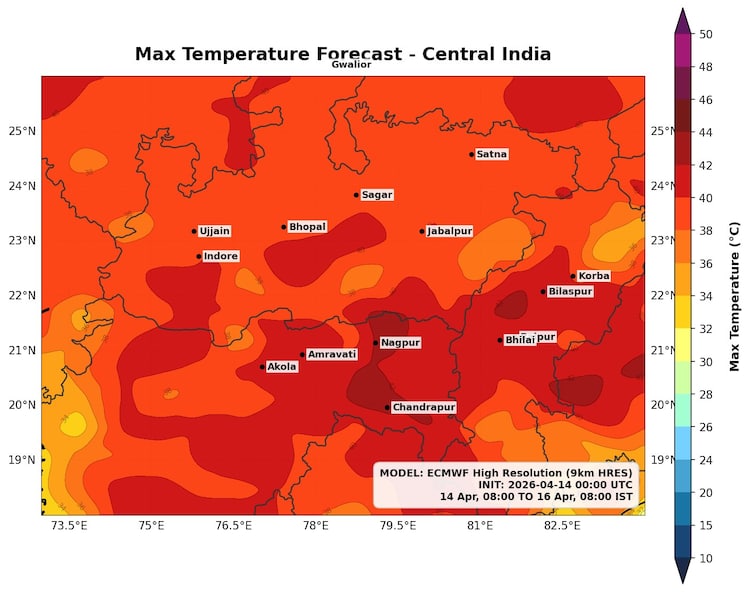
The ongoing weather pattern indicates that heatwave conditions are either already present or developing in several regions. Areas in Maharashtra, Gujarat, and parts of Madhya Pradesh have reported temperatures ranging between 40°C and 44°C, which falls within the heatwave threshold for many regions.
In particular, Vidarbha and adjoining regions have recorded some of the highest temperatures in the country, while cities in Gujarat are also witnessing persistent heat throughout the day. The absence of cloud cover and rainfall has further contributed to the rapid increase in temperature levels.
IMD Forecast: Next 48 Hours Crucial
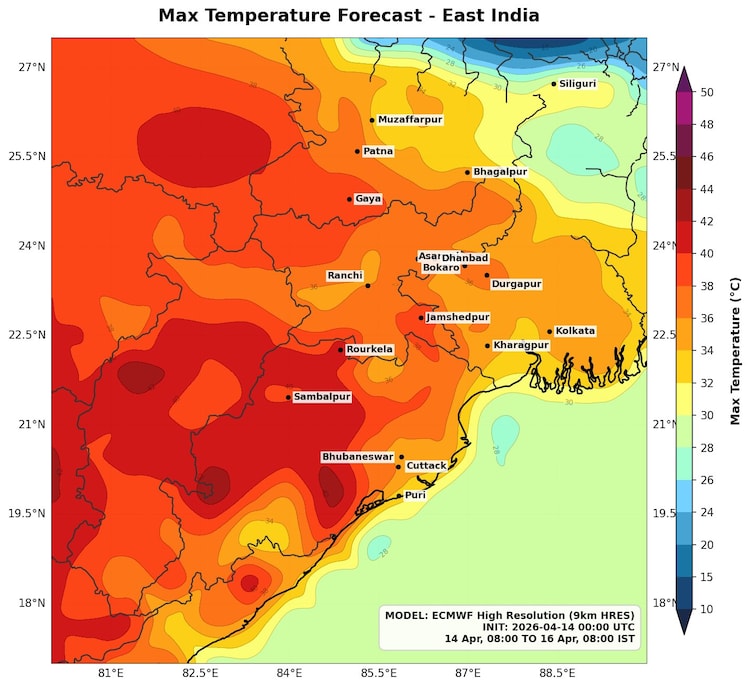
According to recent projections, the next two days are expected to be crucial as temperatures may rise by an additional 2°C to 3°C in several regions. This increase could push more districts into official heatwave categories.
The India Meteorological Department (IMD) has already issued alerts in select areas, indicating the likelihood of continued hot and dry weather conditions. These alerts are typically based on temperature thresholds and deviations from normal seasonal averages, which are currently being exceeded in many locations.
North India Slowly Moving Toward Peak Heat
While central and western India are already facing intense heat, northern regions such as Punjab, Haryana, and parts of Uttar Pradesh are gradually moving toward peak summer conditions. Current temperatures in these areas remain slightly lower compared to central India, but the upward trend is clearly visible.
Weather projections suggest that these regions could experience a sharper spike in temperatures within the next few days, potentially leading to more widespread heatwave conditions by the end of the week.
Why Temperatures Are Rising So Quickly
Several meteorological factors are contributing to the current situation. The lack of western disturbances has resulted in stable atmospheric conditions, preventing any cooling effects such as cloud formation or rainfall. At the same time, dry continental winds are dominating, allowing heat to accumulate rapidly.
This combination is often responsible for early-season heatwaves, especially during April when solar intensity begins to peak across the Indian subcontinent.
Health Advisory: Precautions Become Essential
With temperatures rising steadily, health experts are advising people to take necessary precautions to avoid heat-related illnesses. Prolonged exposure to high temperatures can lead to dehydration, heat exhaustion, and in severe cases, heatstroke.
The following basic precautions can help reduce risk:
- Avoid stepping out during peak afternoon hours (12 PM to 4 PM)
- Increase water intake and include electrolyte-rich fluids
- Wear light, loose-fitting cotton clothes
- Stay indoors in well-ventilated or cool environments
What Lies Ahead
The current trend suggests that this may only be the beginning of a longer and more intense summer phase. If the temperature rise continues as predicted, more states could come under heatwave alerts in the coming days.
Authorities are closely monitoring the situation, and further advisories may be issued depending on how conditions evolve. For now, the next 48 hours remain critical in determining the spread and severity of heatwave conditions across India.