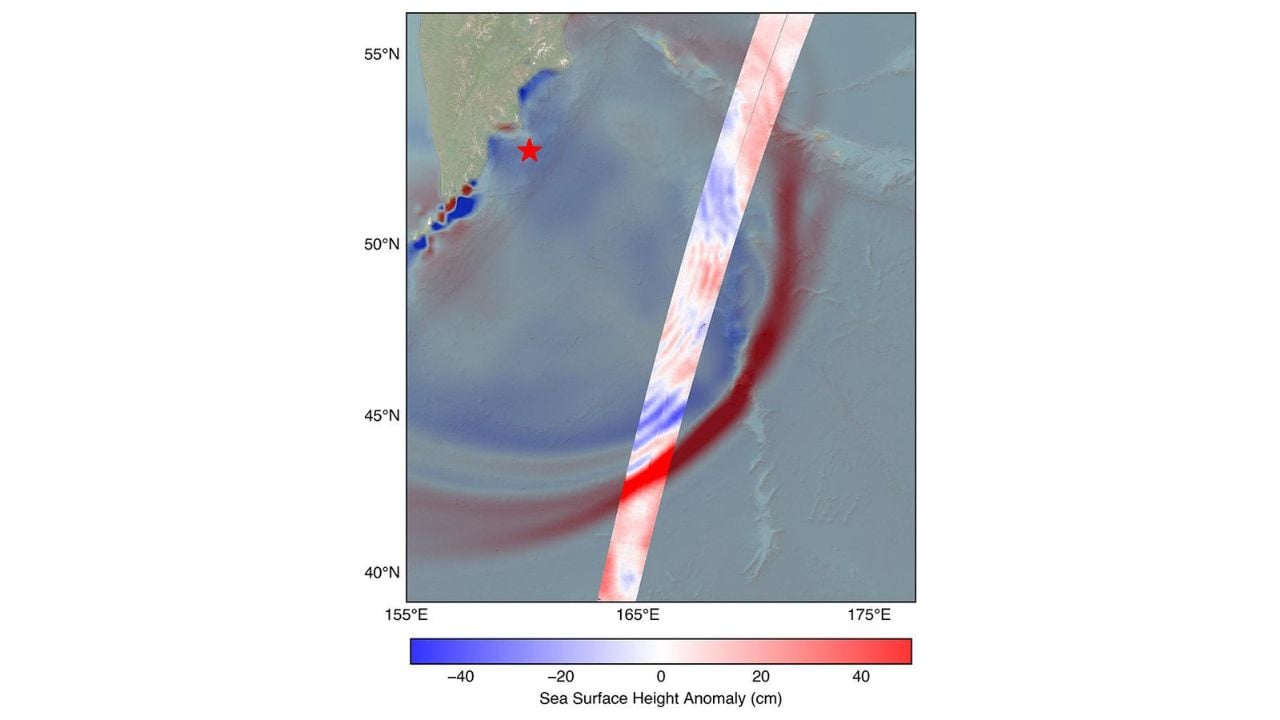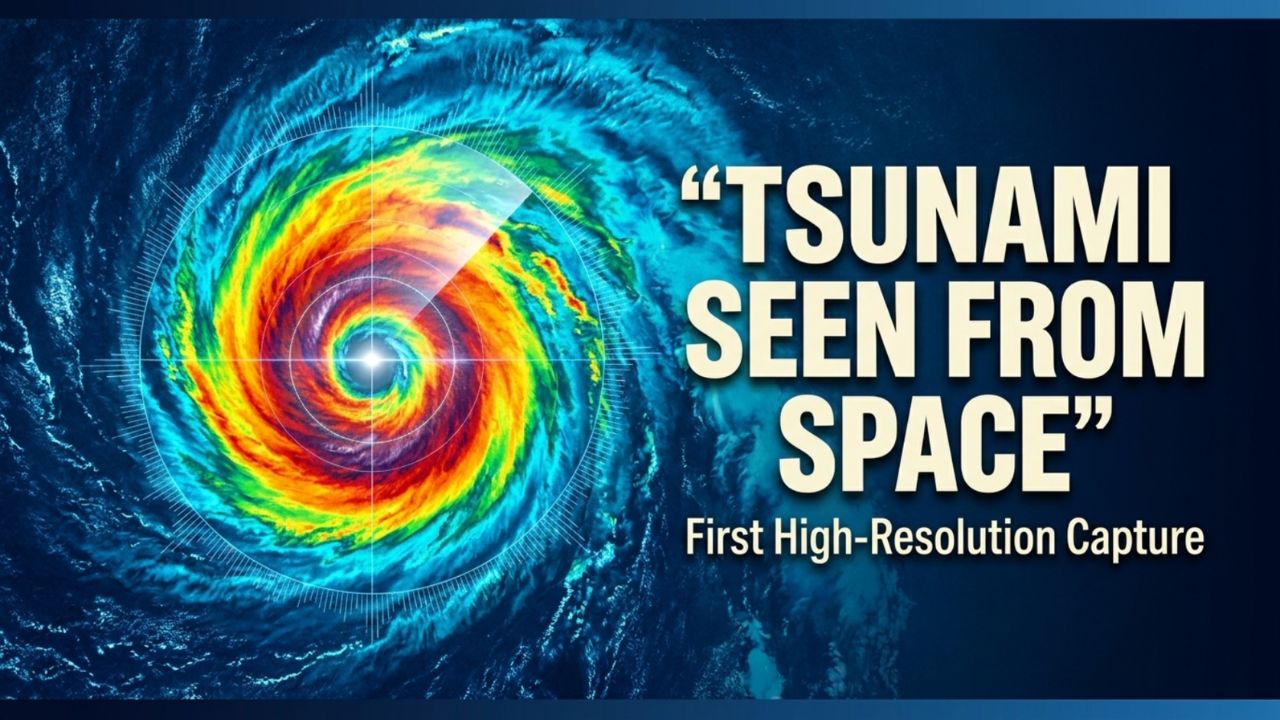
In a major scientific development, satellites have successfully captured high-resolution images of a giant tsunami moving across the Pacific Ocean. This marks one of the clearest space-based observations of a tsunami ever recorded, offering a new level of detail that was previously not possible.
Tsunamis are usually difficult to detect in deep oceans because their wave height is often very small. However, this recent capture shows how modern satellite technology is now capable of identifying even subtle changes in sea level across vast distances.
Table of Contents
How Satellites Detected the Tsunami
The images were recorded using advanced Earth observation satellites equipped with radar altimeters. These instruments can measure tiny variations in sea surface height, even when the difference is just a few centimeters.
Organizations such as NASA and the European Space Agency have been developing these capabilities for years. The latest systems can scan large portions of the ocean and track wave movement in near real time.
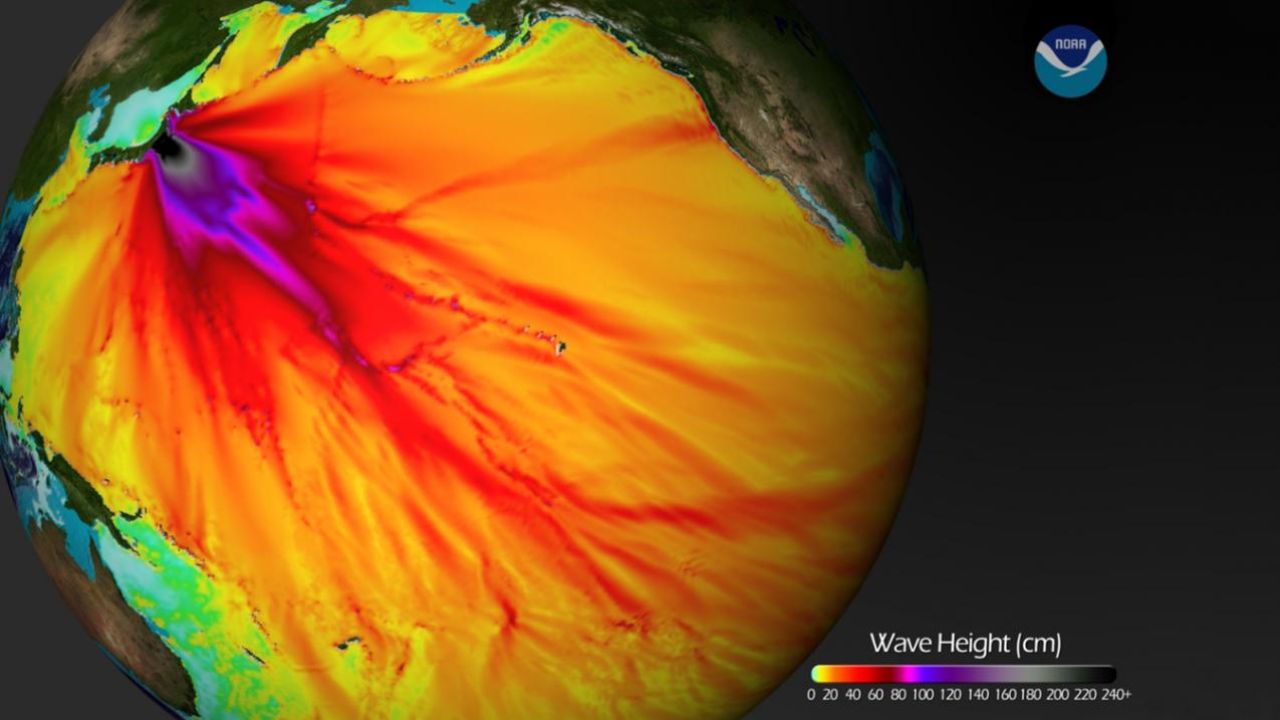
Scientists explained that while tsunamis may appear small in the open ocean, they travel at extremely high speeds. Capturing such a fast-moving wave with this level of clarity highlights how far satellite monitoring has progressed.
Why This Discovery Is Important
This breakthrough is not just about capturing impressive images, it has real-world impact. High-resolution satellite tracking can significantly improve how tsunamis are monitored and predicted.
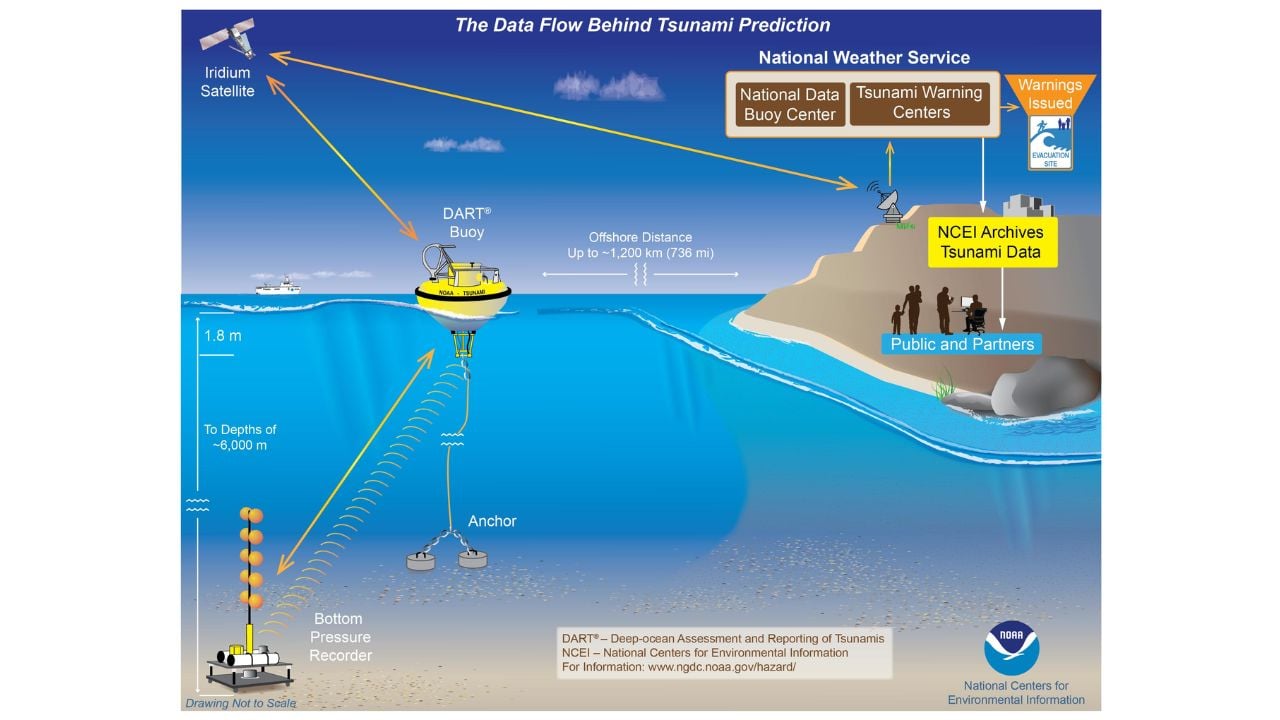
With better data, scientists can understand wave behavior more accurately, especially in remote ocean regions where traditional monitoring systems like buoys are limited. This leads to more reliable forecasts and potentially faster warnings for coastal areas.
Another key advantage is global coverage. Satellites can observe areas where installing physical sensors is difficult, making the monitoring system more complete and dependable.
Impact on Early Warning Systems
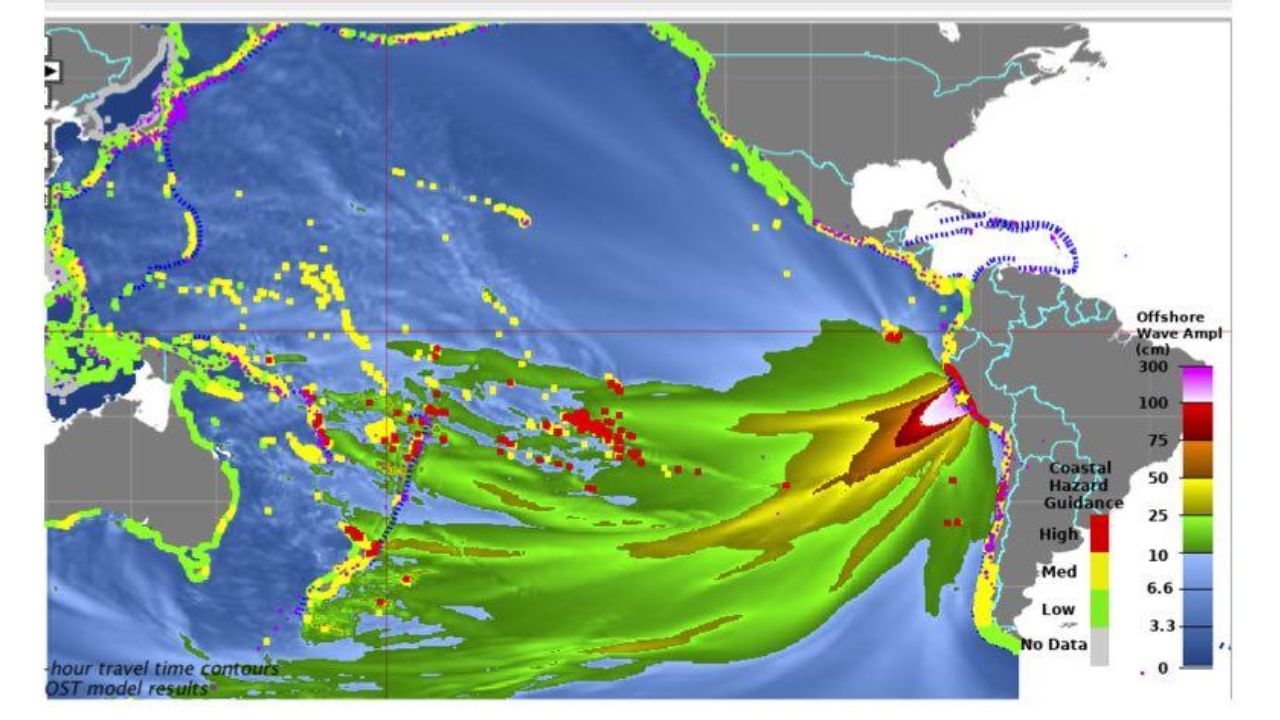
Early warning systems depend heavily on speed and accuracy. Satellite-based observations can enhance both. By tracking a tsunami while it is still far from land, authorities can gain valuable time to issue alerts and prepare evacuations.
This development could support existing systems rather than replace them. When combined with seismic data and ocean sensors, satellite imagery can provide a more complete picture of the event.
Experts believe that such integrated systems will become the standard approach for disaster management in the coming years.
A Step Toward Advanced Disaster Monitoring
The successful capture of a tsunami in high resolution represents a major step forward in disaster monitoring technology. It shows how space-based tools are becoming increasingly important in understanding Earth’s most powerful natural events.
Researchers are now working on improving the speed of data processing so that information from satellites can be used even more quickly during emergencies. There is also growing interest in using artificial intelligence to analyze ocean data and detect unusual patterns automatically.
What Comes Next
Future satellite missions are expected to deliver even sharper images and faster updates. Scientists are aiming for near real-time monitoring that can track tsunamis continuously from their origin to coastal impact.
This advancement not only improves scientific understanding but also strengthens global preparedness. As technology evolves, satellite systems are likely to play a central role in protecting lives and minimizing damage from natural disasters.