
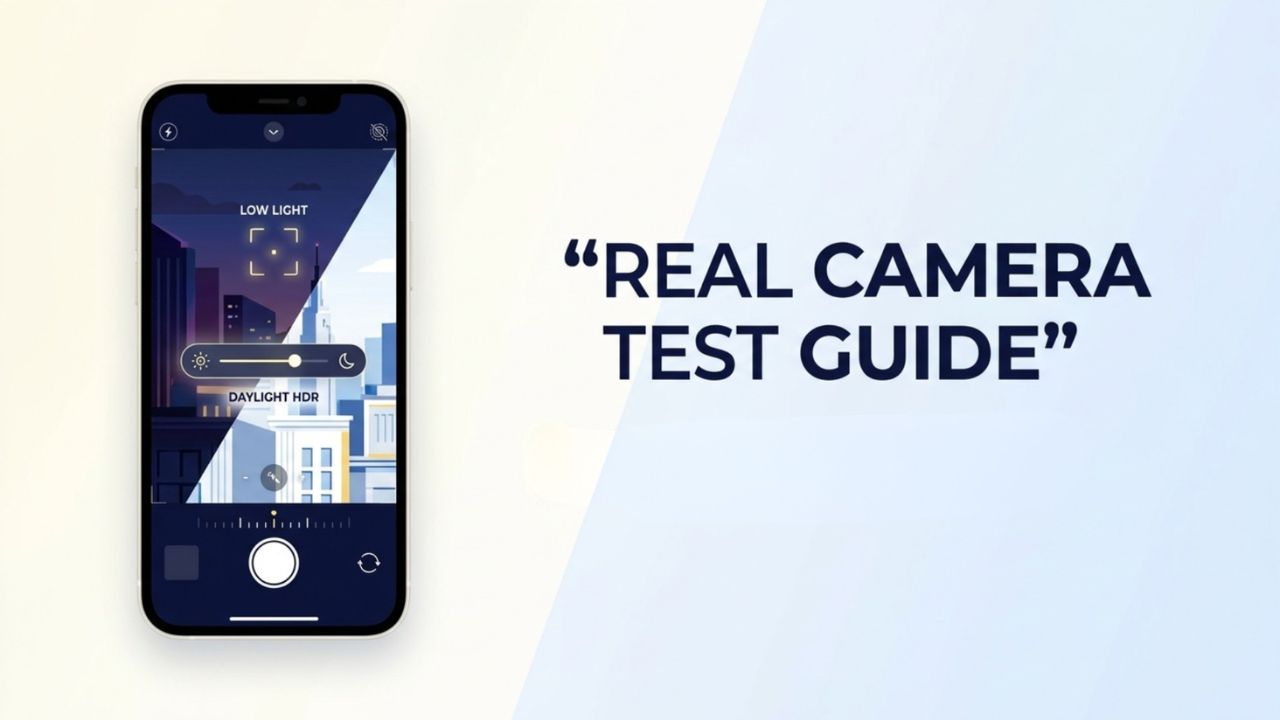
Megapixels have long been used as a marketing metric, but in practical photography, they rarely determine actual image quality. In 2026, real camera performance depends on sensor quality, processing algorithms, and consistency across different conditions. This guide outlines how to evaluate a smartphone camera properly.
Why Megapixels Alone Are Misleading
A higher megapixel count simply means more pixels, not better photos. Many smartphones use pixel-binning technology, where multiple pixels combine into one to improve light capture.
For example, a 50MP or 108MP sensor often outputs 12MP images in real use. The final quality depends more on how well the sensor captures light and how effectively the software processes the image.
Sensor Size and Light Capture
Sensor size is one of the most critical factors in image quality. Larger sensors capture more light, resulting in:
- Better low-light performance
- Higher dynamic range
- More natural depth (background blur)
Two phones with the same megapixel count can produce very different results if their sensor sizes differ significantly.
Image Processing and AI Optimization
Modern smartphones rely heavily on computational photography. AI processing determines how the final image looks after capture.
Key areas to evaluate include:
- HDR performance (handling bright and dark areas)
- Color accuracy (natural vs over-saturated tones)
- Skin tone rendering
- Detail sharpening (avoid over-processed images)
A well-optimized camera system often outperforms a higher megapixel sensor with poor processing.
Low-Light and Night Photography
Low-light performance is where real camera quality becomes evident. A good camera should:
- Retain details without excessive noise
- Maintain natural colors
- Avoid overexposure in night mode
Night mode should enhance visibility without making the image look artificial.
Lens Quality and Stability
The lens plays a significant role in clarity and sharpness. Even with a strong sensor, a poor lens can reduce overall image quality.
Also consider stabilization:
- Optical Image Stabilization (OIS) improves sharpness
- Electronic Stabilization (EIS) enhances video smoothness
For video creators, stabilization is as important as resolution.
Video Recording Capabilities
Video performance often reveals the true capability of a smartphone camera. Evaluate:
- Stabilization during movement
- Exposure consistency
- Autofocus speed
- Audio clarity
4K recording is standard in 2026, but smooth and stable footage matters more than resolution alone.
Real-World Testing Methods
Instead of relying on specifications, use practical evaluation methods:
- Take photos in different lighting conditions (daylight, indoor, night)
- Compare HDR shots in high-contrast scenes
- Check portrait mode edge detection
- Record short videos while walking
- Zoom into images to inspect detail retention
These tests provide a clearer picture of real performance than spec sheets.
Consistency Across Camera Lenses
Most smartphones now include multiple lenses (wide, ultra-wide, telephoto). A good camera system should maintain:
- Similar color tones across lenses
- Consistent exposure
- Balanced detail levels
Inconsistent results between lenses indicate poor camera tuning.
Software Updates and Camera Improvements
Camera performance can improve over time through software updates. Brands often refine:
- Image processing algorithms
- Night mode performance
- Video stabilization
Choosing a brand known for regular updates can enhance long-term camera quality.
Final Analysis
Real camera performance is a combination of hardware and software working together. Sensor size, image processing, lens quality, and consistency matter far more than megapixel numbers.
A well-balanced camera system delivers reliable results in all conditions, which is ultimately more valuable than high-resolution marketing claims.